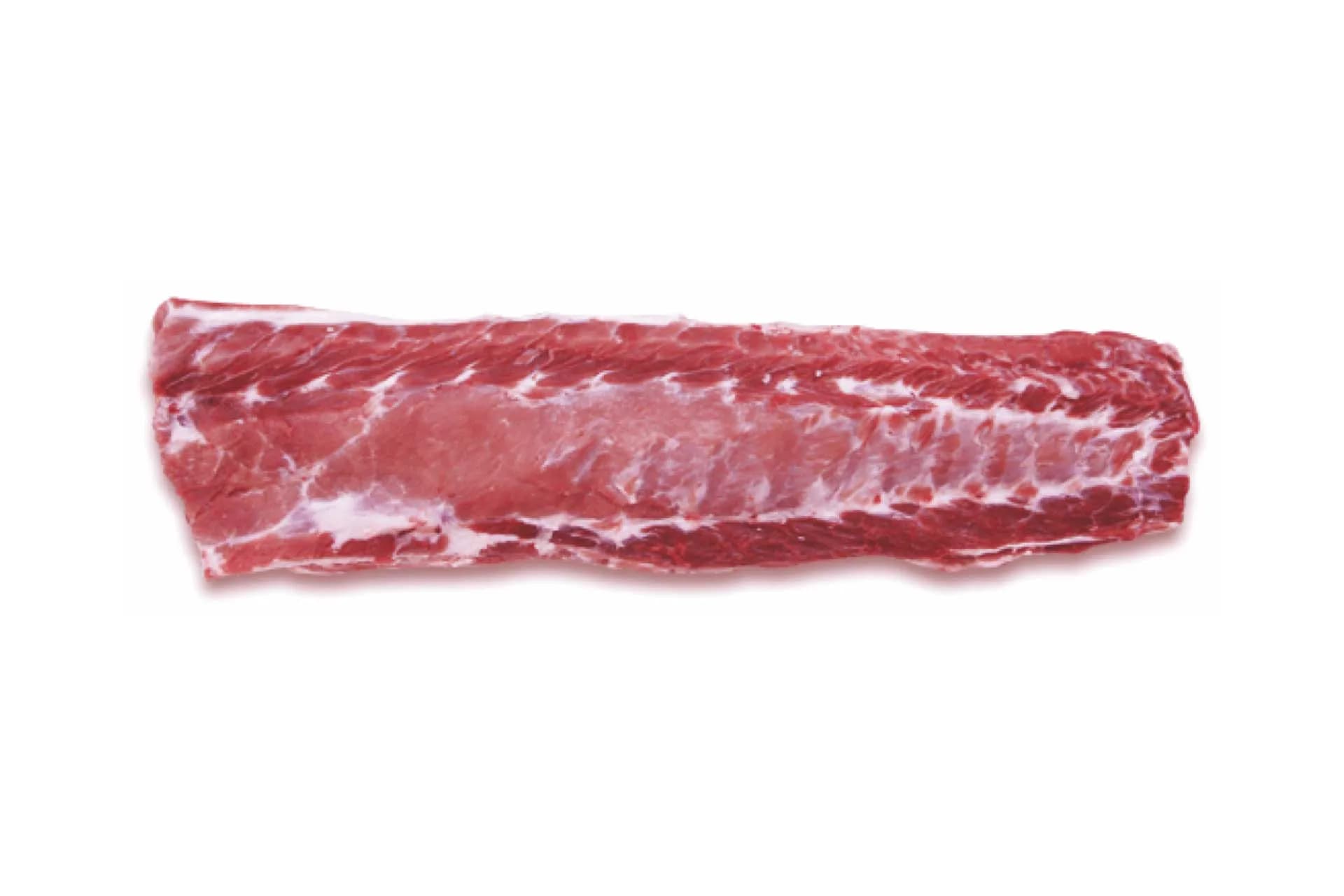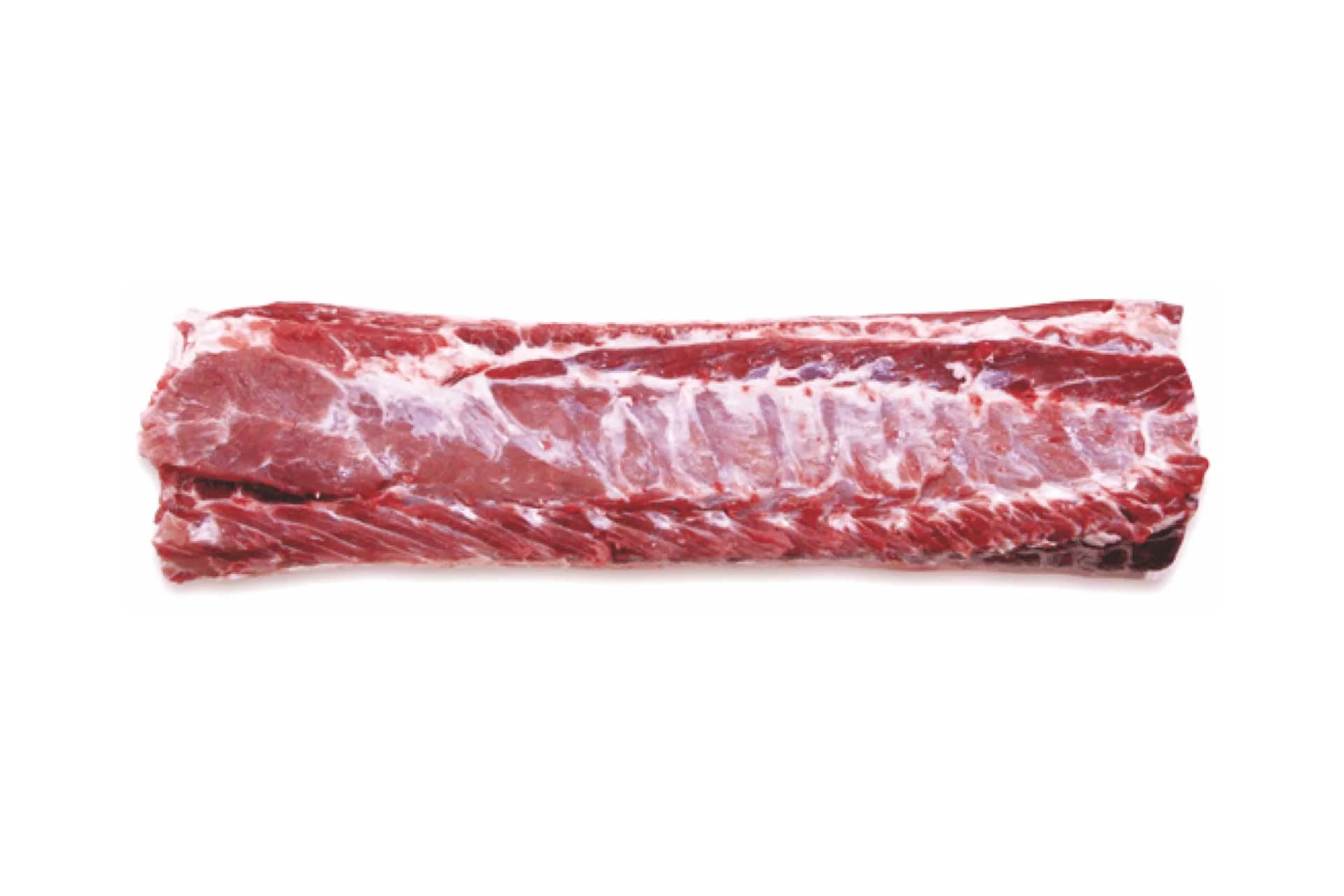
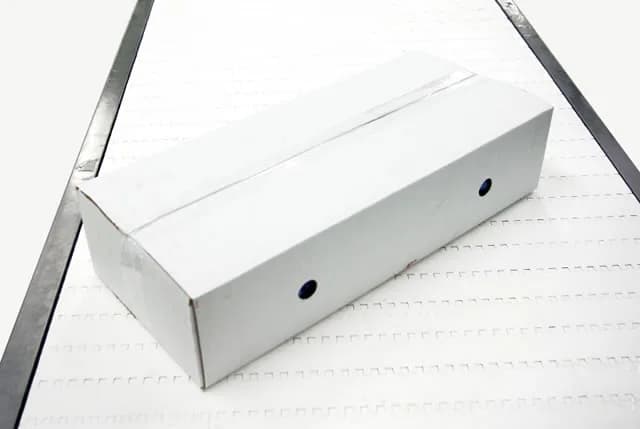
Carton
80 product codesThe outer case. Every published configuration ships in a carton; the inner format determines how the product sits inside it.
Packing & customization
Packing is set against each product code and recorded with its specification, so a repeat order arrives configured the same way as the first.
The formats, carton figures and loading quantities below are drawn from the published product specifications. They differ by product, and the specification for the codes you are buying is what applies.
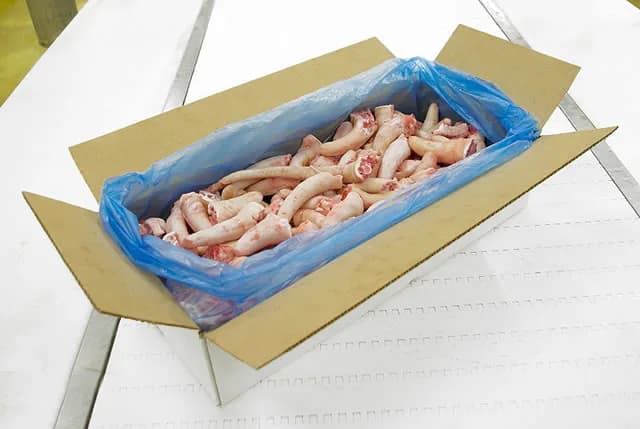
Each format below is in use on published product specifications. The product families listed against a format are those where it is currently specified.
The outer case. Every published configuration ships in a carton; the inner format determines how the product sits inside it.
Product bagged in polythene inside the carton. Used for trimmings and cuts sold on weight rather than piece presentation.
Specified on
Individual pieces sealed in a vacuum bag, then cased. Used where chilled shelf life and presentation at the point of unpacking both matter.
Each piece individually wrapped before casing, so portions separate cleanly after freezing and can be counted without breaking the pack.
Specified on
Product frozen as a solid block to the carton, for buyers feeding a further processing line rather than unpacking piece by piece.
Specified on
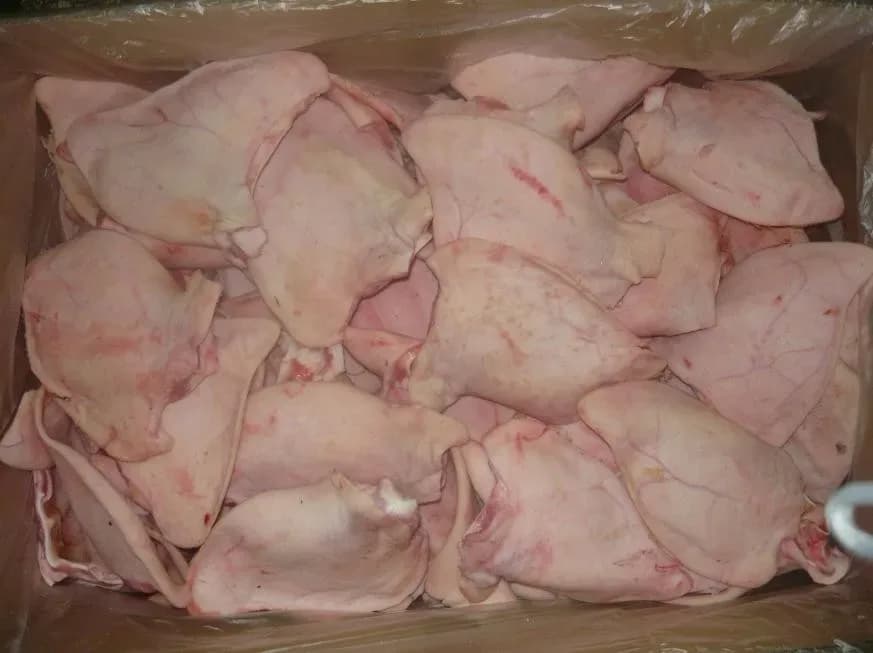
Format is a property of the product, not of the order. The table shows how formats are distributed across the catalogue; each product page carries the configuration for that code.
Temperature condition changes the packing decision, the shelf life and the documentation. Both are supplied; which applies depends on the code and the destination.
Applies to: 48 product codes
Applies to: 19 product codes
Applies to: 13 product codes
Temperatures and shelf life are recorded against the product specification and shown on each product page. Frozen product carries the longer shelf life; chilled product is scheduled against the delivery window agreed at order.
There is no single house configuration. The catalogue currently publishes the configurations below, each attached to the product codes that use it.
Carton footprint 600 × 400 × 200 mm
Approx. 6 tonnes per 40ft reefer
Others, Pork Shoulder
Approx. 3.96 tonnes per 40ft reefer
Chops & Loins
Approx. 19.8 tonnes per 40ft reefer
Others
Approx. 21.6 tonnes per 40ft reefer
Pork Trimming
Approx. 16.8 tonnes per 40ft reefer
Others
Approx. 8.8 tonnes per 40ft reefer
Pork Leg
Approx. 15 tonnes per 40ft reefer
Others
Approx. 4.84 tonnes per 40ft reefer
Pork Belly
Approx. 19.2 tonnes per 40ft reefer
Others
Figures are per the published specification for the codes concerned. Loading quantities are indicative and are confirmed against the final order, the destination and the equipment booked.
Handled case by case and subject to volume and a written agreement. Send the requirement with the product codes and the commercial team will confirm what can be supplied.
Nothing is committed until it is written into the agreed specification. That is what the packing line works to and what a repeat order is checked against.
Marking requirements are set by the destination and by the buyer, and they are checked against the specification before the carton is closed.
Where a destination requires a mark, a certificate or wording this site does not list, send the requirement and it will be checked against what can be issued.
Product codes, quantity, destination and how the product will be handled on arrival.
The commercial team returns the packing format, carton figures and loading quantity that apply to those codes.
Anything customer-specific — format, carton weight, marking, language — is written into the specification and agreed in writing.
The agreed specification is what the packing line works to, and what a repeat order is checked against.
Each product page carries the format, carton figures and storage conditions recorded for that code.
Six things that determine whether a configuration can be quoted straight away.
Contact Export Sales